Botox is a neurotoxin derived from the bacteria Clostridium botulinum. Its controlled doses can temporarily relax or paralyze muscles, which makes it an effective cosmetic treatment to minimize wrinkles and fine lines. The most common areas for Botox injections are the forehead, between the eyebrows, and around the eyes. Besides cosmetic uses, Botox also has medical applications such as treating muscle spasms and migraines.
What are the benefits of Botox?
Botox is primarily used for cosmetic purposes to reduce the appearance of wrinkles and fine lines on the face. Here are some of the benefits of Botox:
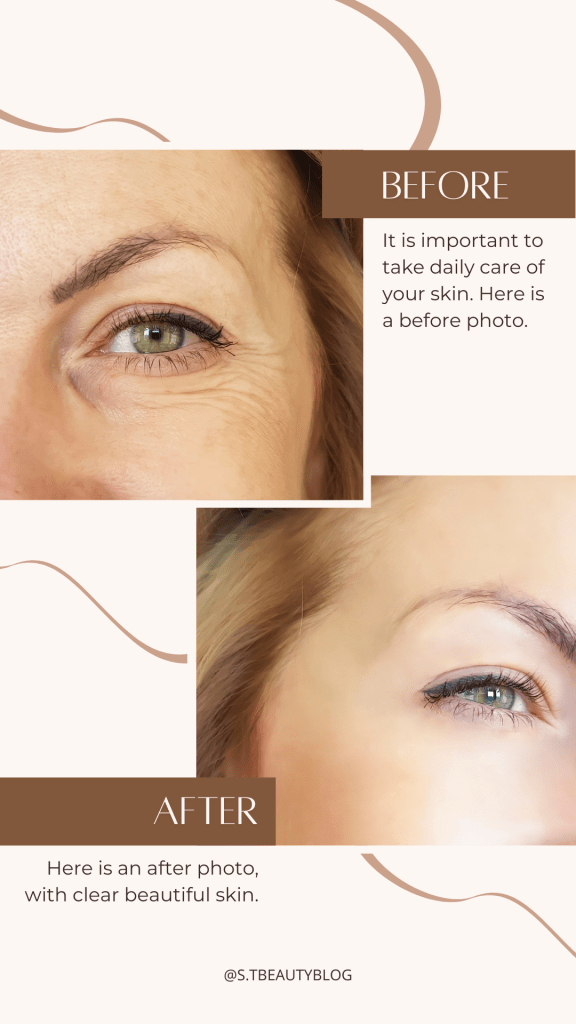
- Reduces wrinkles and fine lines: Botox can effectively reduce the appearance of wrinkles and fine lines on the forehead, between the eyebrows, and around the eyes, giving the face a more youthful and refreshed appearance.
- Non-surgical: Botox injections are a non-surgical procedure and do not require any downtime, allowing patients to return to their normal activities immediately after treatment.
- Quick procedure: Botox injections are a quick procedure, typically taking only a few minutes to complete.
- Long-lasting results: The effects of Botox can last for several months, depending on the individual and the area being treated.
- Versatile: Botox can be used for both cosmetic and medical purposes, such as treating muscle spasms, certain types of migraines, and excessive sweating.
- Safe and FDA-approved: Botox is a safe and FDA-approved treatment when administered by a qualified medical professional.
It’s important to note that Botox is not without risks and potential side effects, and it’s essential to consult with a qualified medical professional before considering Botox treatment.
What are the pros and cons of Botox?
Pros:
- Effective at reducing the appearance of wrinkles and fine lines in targeted areas of the face
- Quick procedure with no downtime necessary
- Results can last for several months
- Can also be used for medical purposes, such as treating muscle spasms and certain types of migraines
Cons:
- Possible side effects can include pain, bruising, and swelling at the injection site, as well as headaches and flu-like symptoms
- In rare cases, more serious side effects can occur, such as muscle weakness or difficulty swallowing or breathing
- Overuse or improper injection technique can result in a “frozen” or unnatural appearance
- Can be expensive, and results are not permanent, requiring regular maintenance treatments
What are the costs of Botox?
The cost of Botox injections can vary depending on several factors, such as the area being treated, the amount of Botox needed, and the location and experience of the provider. Generally, the cost of Botox ranges from $200 to $800 per treatment, with the average cost being around $550. However, it’s important to note that this is just an estimate and the cost may be higher or lower depending on the factors mentioned above. It’s also important to choose a qualified and experienced provider to ensure the best results and minimize the risk of potential side effects.
What does the procedure consist of?
The procedure for Botox typically involves the following steps:
- Consultation: You will first have a consultation with a qualified healthcare provider or a licensed medical professional, who will evaluate your medical history, assess your facial muscles and skin, and discuss your goals and expectations for the treatment.
- Preparation: The provider will clean the treatment area and may apply a topical anesthetic or ice to numb the area and minimize any discomfort during the injections.
- Injection: Using a very fine needle, the provider will inject small amounts of Botox into the targeted facial muscles. The number of injections and the amount of Botox used will depend on the treatment area and your individual needs.
- Post-treatment: After the injections are complete, the provider may apply ice or a cold compress to the area to reduce swelling and bruising. You will be advised to avoid lying down or touching the treated area for a few hours after the treatment, as this can cause the Botox to spread to unintended areas.
- Follow-up: The provider may schedule a follow-up appointment to check the results and determine if any touch-up injections are necessary.
The entire procedure typically takes 10-15 minutes and can be done on an outpatient basis, meaning you can return to your regular activities immediately after the treatment.

 ST Beauty Blog
Leave a comment